
Survival Swimming is the ability of a baby to float and breathe, regardless of the water's depth, for an indefinite period of time
If your child unexpectedly enters the water, knowing how to roll onto their back, float, rest, and breathe can make all the difference. Survival swimming lessons teach children how to respond independently in a real-world water emergency.
Understanding Survival Swimming
Parents often have questions about how survival swimming works, what children learn, and what to expect during lessons. Here's a closer look.
Real Skills for Real Emergencies
Infants as young as 6 months old can begin learning RollBack-to-Float skills, while children over one year who have been walking several months can learn the Swim-Float-Swim sequence.
These age-appropriate skills are designed to help children respond independently if they unexpectedly enter the water.
Why Infant Aquatics Is Different

Our entire curriculum is rooted in safety.
Many swim lessons focus on water comfort, games, or the gradual acquisition of recreational swimming skills.
Infant Aquatics lessons are designed to teach children how to respond in a real-world water emergency in a matter of weeks. Through a carefully developed curriculum, children learn practical survival skills that provide an essential layer of protection for infants and young children—something traditional swim lessons simply aren't designed to do.
We're here to teach your kids to survive and THRIVE in the water!
How Children Learn So Quickly
Short Lessons!
Lessons are intentionally brief and tailored to each child's developmental stage and attention span.
Frequent Practice!
Children attend lessons four days each week, allowing skills to build consistently and efficiently.
Remarkable Progress!
Using the proven Infant Aquatics curriculum, children learn life-saving skills in weeks—not years.
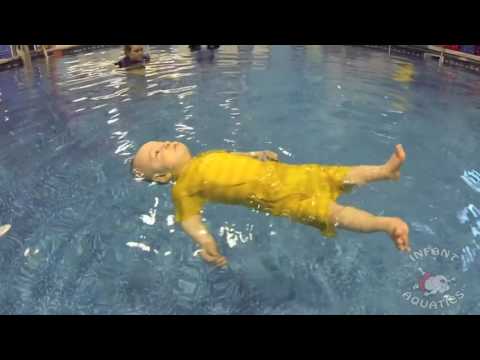
Watch the Progress
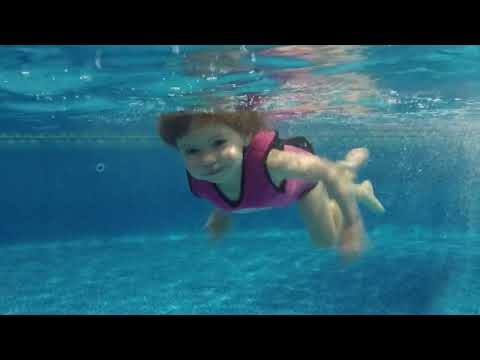
Remarkable Progress in Weeks
Safety Is Never Just One Layer
Survival swimming is one important layer of protection, but it should always be used alongside:
- Active adult supervision
- Four-sided pool fencing with self-latching gates
- Pool alarms and safety devices
- Coast Guard-approved life jackets in open water
- Ongoing water safety education
No single layer can prevent every tragedy.
Together, these layers help create a safer environment for children around the water.

Can I become an Infant Aquatics Instructor?

What's Next?

Real Children. Real Survival.
These aren't hypothetical scenarios — these are real stories from real parents whose children used what they learned in Infant Aquatics lessons to survive a water accident.

"The pond came into view, and there was Saxon, not submerged on the bottom, but floating on her back on the surface of the water. She was wearing overalls with a long sleeve shirt underneath."Carey Pardee — Lafayette, Colorado
Ready to get started?
Every child is different, and your local Infant Aquatics® instructor can help you determine the best starting point for your child's age, developmental stage, and experience around the water.